Nutrition tips
nutrition facts
It takes 3,500 calories deficit to lose a pound and 3,500 calories surplus to gain a pound (this does not include water weight).
You will need to eat at an overall calorie deficit to lose overall weight (fat and muscle).
You will need to eat at an overall calorie surplus to gain overall weight (muscle and fat).
Foods aren’t good or bad, it’s human perception that assigns these categories.
Your body needs carbohydrates and proteins for building muscle. Hormones need fat. Therefore, you need all of these macro nutrients.
Certain foods for certain people can cause bloating/water retention (big swings in weight from day to day is most likely from water changes).
Most foods fit in more than one category, but commonly carbohydrates and fiber are together and protein and fats are together. Generally there is a primary group and then a secondary group.
Carbohydrates/fibers examples: fruit, vegetables, grains (bread, pasta, rice, but brown, whole wheat, and multi-grain versions have much more fiber), potatoes, salad, etc.
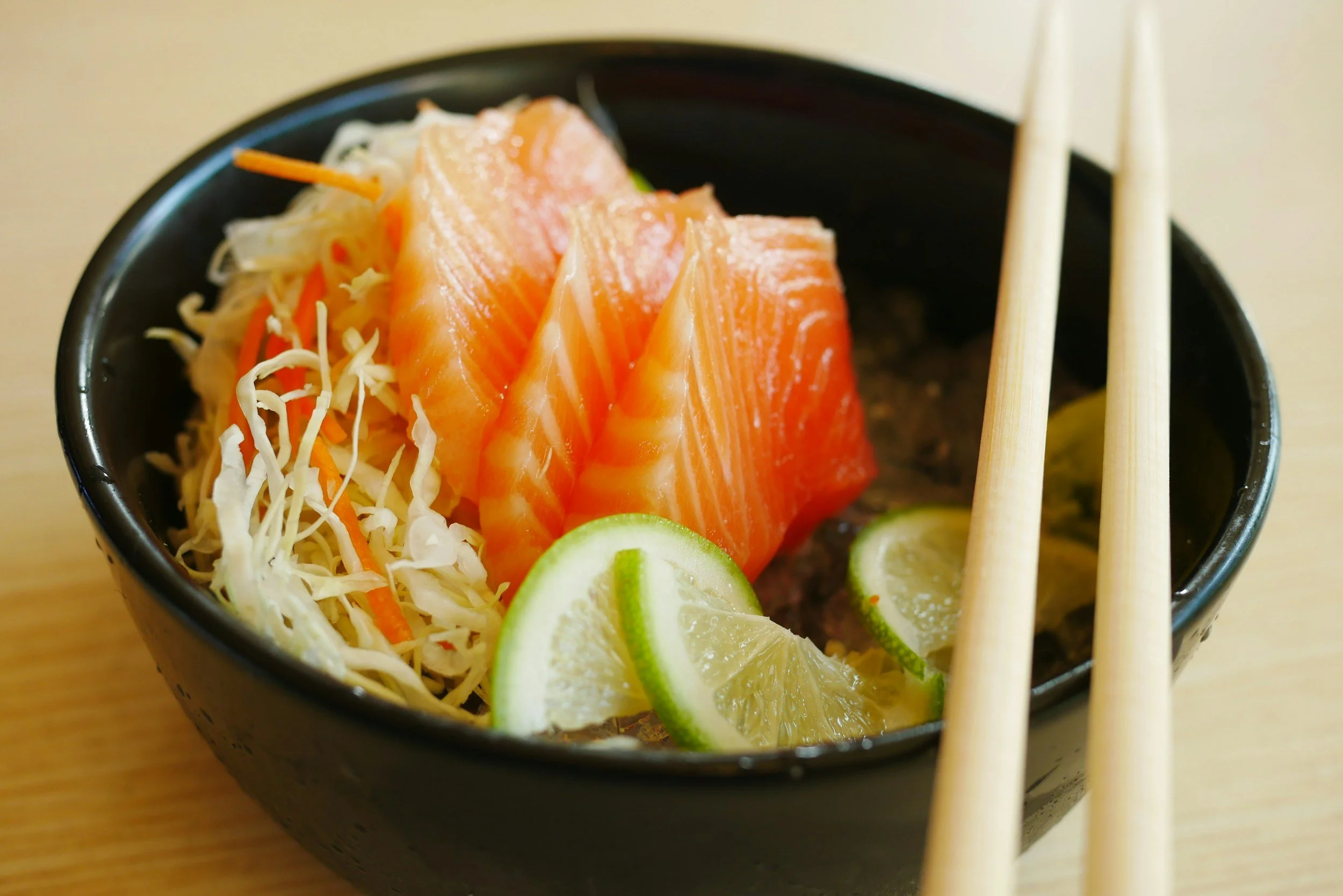
Protein/fats examples: beef, pork, chicken, turkey, eggs, salmon, cheese, Greek yogurt.
Mostly protein examples: shrimp, shellfish, chicken breast only, turkey breast only, protein yogurts.
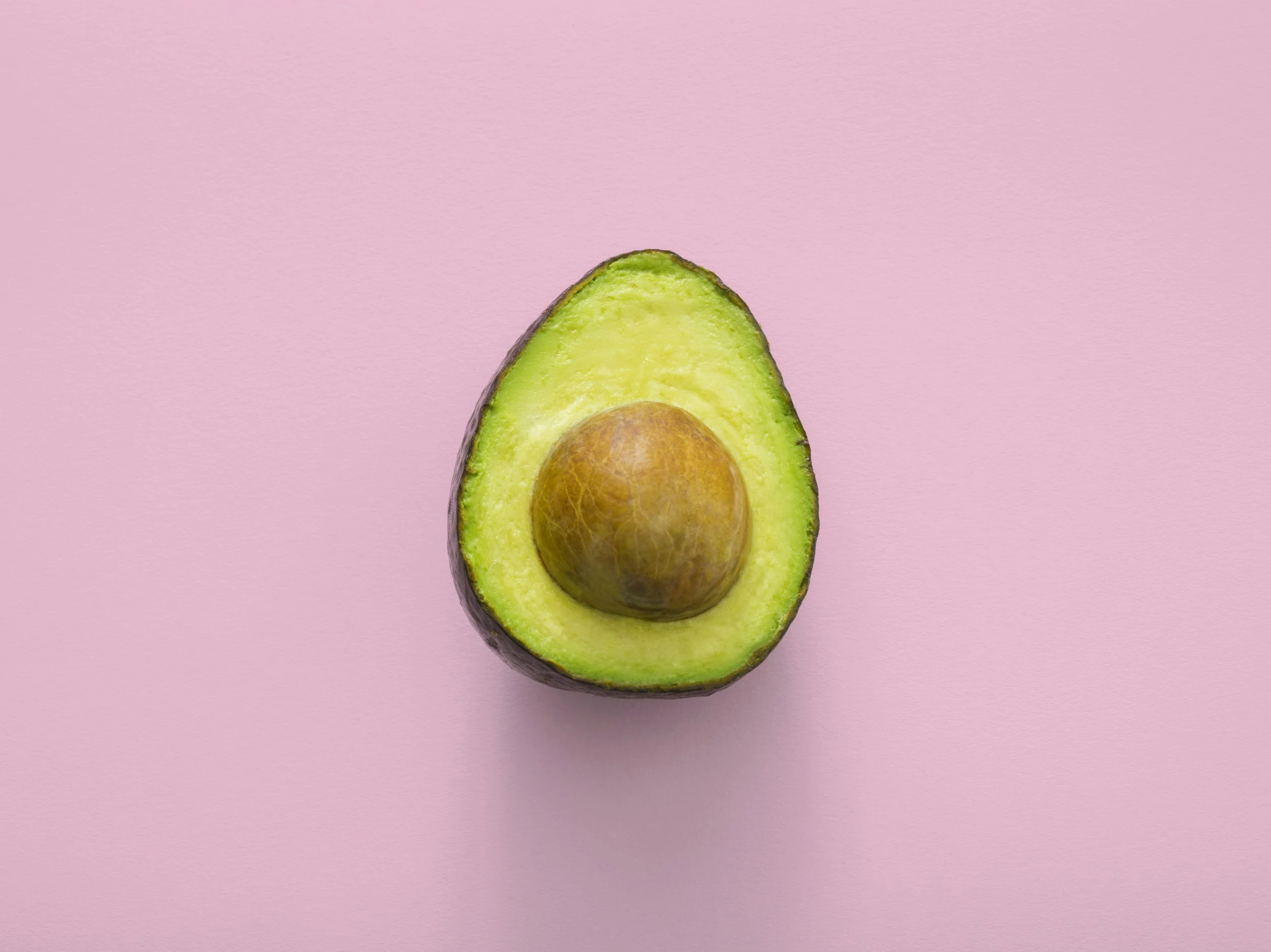
Avocados are mostly fat and fiber.
Nuts are fats, protein and fibers primarily.
All oils, butter and lard are fats.
tips
The reasons alcohol makes it harder to lose weight and build muscle (if having it regularly or having large quantities at a time) are that when your body metabolizes a meal with alcohol in it, the priority is to process the alcohol (rather than fuel or repair your body with protein and carbohydrates). Also alcohol is 100% carbohydrates with no added nutritional value. 4 oz of wine has about 70-100 calories and no protein (a fat free protein yogurt that is 5.3 oz is 90 calories and can contain 15g of protein and probiotic bacteria good for your gut, or a large egg has 70 calories and 6g protein plus other nutrients).
When figuring out your macros, it’s easier to start with grams of protein, then carbohydrates and then fats last.
It’s easier to lose weight if you balance hormones (need for balanced diet), more so if you are 40 and over.
If you want to gain weight in mostly muscles, what you eat still matters and a concentration on protein and carbohydrates is important.
You can work towards a body recomposition (lose fat and gain muscle at the same time) at just under maintenance calories or at maintenance calories. Your weight may remain stable. It’s a slower process to see results (than if you were to do a traditional “bulk and cut”), but it can be done. You have to remain consistent and keep on working towards it. (Afterall it is long term results that you are looking for or lifestyle change)
Overall protein intake in a day matters more than trying to eat between 30-40 g per meal to help build muscle.