I don’t know how you do it? (be active and not hurt…in the mid to late 40’s and beyond)
Recently, a very close friend of mine wrote to me “I don’t wanna be on my feet for many hours, I don’t know how you do it….I was on my feet for about four hours and I was hurting.”
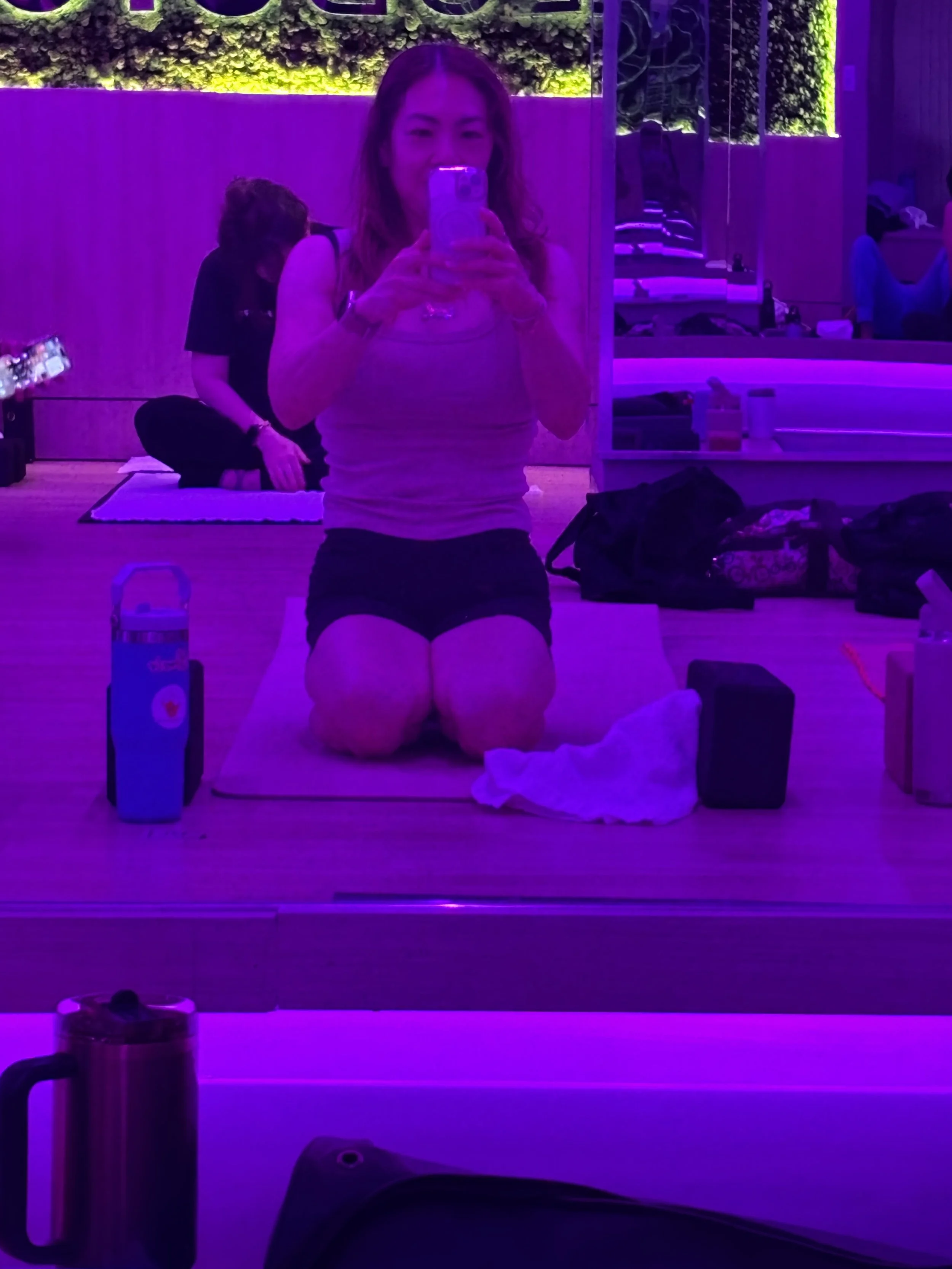
Here was my reply “If I have to be honest in how I do it? I just don’t get the pain that other people seem to get (no arthritis and no back or knee pains). I try to eat a good diet-Mediterranean mostly - I don’t love meat but eat it in small amounts but I love cheese and seafood (and I take supplements; I love extra virgin olive oil on my daily pasta and/or salad)- these days I eat mostly Starbucks and Olive Garden food but I eat 90% of my weight in grams of protein most days. I weigh 110 pounds. I keep active. I do yoga (it kind of helps aligns my body better along with resistance training). I drink socially. I walk about 12,000 steps on average (as low as 8,000 on non-work days and 23,000 on really busy work days). This isn’t genetic. Everyone in my family has or has had arthritis or pains from mid to late 40’s on.”
Let’s break this down:
I eat a Mediterranean Diet (mostly). About 80% of the time, I eat a Mediterranean style diet. What this means is that almost every day, I eat a diet that is mostly balanced. I eat small-medium amounts of pasta (favoring tomato based sauces and extra virgin olive oil). I eat vegetables (usually a salad) most days. I often add shrimp or chicken along side the pasta and salad and I’m not afraid to eat cheese and eggs (I don’t care about the cholesterol content). However, because I do not know how to cook, most of these foods are coming from Starbucks and Olive Garden. Almost every day, for early lunch before I work, I eat a spinach feta and egg white wrap from Starbucks along with an espresso drink (in the summer it was a grande iced caramel macchiato with soy milk, but now in the fall it’s a tall pumpkin spice latte with a double shot of espresso and soy milk plus the whipped cream and the cinnamon spice topping on top). For dinner, I generally eat ¼ - ½ of a create your own pasta with meat sauce from Olive Garden along with half of a salad (but I do not eat the croutons and the dressing, instead I top it with a good quality extra virgin olive oil and spices - one day it might be Old Bay seasoning, another day curry, and yet another day some turmeric and black or white pepper, or maybe some red pepper flakes). I often add 1.5 hard boiled eggs or cooked frozen shrimp on top, sometimes feta, blue cheese or Spanish blanco cheese. My “dessert” often tends to be a protein bar or protein popcorn. Depending on the day, if I have spin class or yoga, I will have 1.5 hard boiled eggs and some carbohydrates (like ¼ left over pasta with extra virgin olive oil or a slice of Dave’s Killer Bread, toasted and topped with hummus and extra virgin olive oil). If I do not have an active activity, I might have the 1.5 hard boiled eggs, a few macadamia nuts, some unsalted pistachios and maybe a few berries (because I pick up the Starbucks sandwich and espresso drink not too much later). I always have supplements with breakfast (a drink and half of my vitamins - I have the other half with dinner; this is because some vitamins are water soluable).
I weigh 110 pounds on average. At 5 feet tall even, this is roughly 21.5 BMI and 24% body fat (I’m a woman, this is perfectly normal). I maintain this average weight by tracking my calories and macros on a calorie tracker app. (I use MyNetDiary)
I do 3-50-60 minute (vinyasa) yoga sessions most weeks and 1-45 minute spin class per week. Why I chose these classes: yoga helps with balance, alignment, building muscle (but body weight resistance), and some cardio. As we age, we need to maintain good balance and muscle (plus bone density). If we don’t, there is more chance of falling (and if we have brittle bones, it’s hard to recover from a fracture or broken bones). It is better to be preventative (in my opinion). The spin class is mostly cardio (this is good for the heart - another muscle that may not get “exercise” otherwise), but there is a 5 minute session of resistance exercise using lighter hand weights (but more reps). Personally, I chose activities that I really enjoy (so it does not feel as much like exercise, since I really enjoy it). I tried a bunch of different studio classes at my gym before I realized which ones I truly enjoyed. The best way to keep on doing exercise is to find the ones you really, really like despite that it’s a form of exercise.
I drink Socially. There was a time in my life that I was drinking way more than that. The problem with that is that it wasn’t just a habit, I was using it as a coping mechanism. It was doing this: 1. adding way more calories than my body needed and therefore converted into extra weight, 2. prevented my body from truly getting any nutrition that was eaten along with the alcohol (because my body/liver was focused on processing the alcohol instead of processing the nutrition from any food; plus alcohol is effectively pure carbohydrates and you can count on the fact I was not exercising when I was drinking-I was drinking and crying, at least internally). 3. Have you exercised much after drinking?? I sure didn’t. That’s a double whammy - extra calories and you aren’t burning it off. However, drinking socially can help make you more social and take the edge off of being nervous about talking about certain things, which can be good for your relationships (but careful, not too much). I think a good benchmark is 1-2 drinks per each session and that is it.
I walk about 12,000 steps on average. True that maybe I am able to do this because I’m not in pain, but I think this is a circular thing. Do not wait until you are in pain to decide that you need to be active and walk these steps. I feel that walking these steps will help me to keep on doing so.
Research has definitely supported that the environment (meaning lifestyle) has a lot more impact over genetics does with outcomes. Definitely you can see this with twins who have very different habits. Those habits make a huge difference.
Oh, one more thing!! Do all of this and take care of your skin. Protect it from the sun with a broad spectrum SPF (mineral is better than chemical), hydrate with moisturizer as an external source and drink enough water as an internal source of hydration. This will help you to retain a more youthful appearance as well as the above to feel more youthful!! (I’m now 48 and most people are shocked to hear that I have a kid who is older than 9 or 10, because they think I’m about 15+ years younger than I actually am).
why Our Habits matter..
I’ve been so meaning to write this blog post for the longest. However, I have not made it a common behavior for me to do so to sit down, open my laptop and to write my thoughts. So what about this is a concern? For me, I love to write. I love to have a web site and I love to “voice” my opinions and this blog is a way for me to do that. But this concern isn’t a life or death type of thing, so I let it slide.
So what are habits? Habits are behaviors that we do repetitively with little or almost no mental effort or exertion. We don’t have to think about it, we just do it (over and over).
A lot of habits (good or bad) are not immediate concerns (probably most of them). The consequences do not come right away. In this way, we are not always aware that what we do or not do repetitively, matters. Here’s one example. I’m not the best or have not been in the habit of always flossing my teeth. So last year when I went to the dentist’s office for a cleaning, they told me that my gums are inflamed and that I need deep cleaning with local anesthesia, every 3 months (instead of every 6 months) where they scrape the tartar off my teeth and floss my teeth for me. It is easy to not do the extra step to floss your teeth because you don’t initially notice any bad consequences, but after decades, you end up like me, going to the dentist every 3 months! Of course, these days, I am trying hard to be in the habit of flossing, and I’m up to flossing maybe 5 days of the week, but right now it’s a conscious “habit”. I have to think about it. I have an App reminder. It’s been about a month, but I’m getting there. Someday, I will reach for the floss without thinking about it and it will be when I notice that I do that, that I can proudly say I made it a good habit. For now, because it’s something that I want to keep on doing, I am trying as best as I can to remember, but having grace for myself if I forgot (but not to “beat myself up about it” but merely to try the next time).
So why do habits matter? It is what we do most of the time, over a long time that matters more than a one off or occasional event. So for instance, if you are talking about nutrition and food, if you ate more calories than you can burn off (doesn’t matter whether it was in the form of cake or salad), once in awhile, your body doesn’t react too much to it. But if you ate more calories in a day than you can burn off in a day (yes, even if it was all salads) most of the time, you will gain fat (unless you were eating a lot of protein and also doing enough resistance exercise to warrant muscle weight gain). But this isn’t with just nutrition. This goes for everything (wearing sunscreen only because you are going to the beach on a sunny day vs wearing sunscreen everyday the sun is up yields different results on your skin in the long term).
So if you sum up all of the things or habits that we do, our cells over the long run reap the benefits or suffer the consequences of our long term, daily habits. WE are our habits!
The skinny about nutrition
I tend to try ideas on myself if I thought that it might truly work (I Guinea pig myself). I also try to both learn from others, as well as from first hand experience.
I learned some of the hard truths. These are:
You can’t outrun a bad diet with extra exercise
What you eat matters even if calories and macros are very similar
Nutrition has a pretty quick effect on your integumentary system
Fiber matters more than you think
Self care includes taking the time to be thoughtful about your nutrition (as well as skincare)
The idea that if you exercise more so you can eat whatever you want seems so very appealing, Honestly, I tried this thinking first that I’ll lose weight. Maybe at first it did or overall, but the end result was an accumulation of belly fat though I lost weight. Good chances are that most of the weight I lost was a combination of muscles, water and some fat, but for some reason the fat around the belly was very stubborn in wanting to stay. Another reason is from a longevity perspective and diseases. I won’t mention who, but a dear loved one also believed in merely calories in vs calories out as far as weight loss is concerned. This person was very active and exercised most days. However, they also ate ice cream and doughnuts just as much as they exercised. It most likely was a huge contributor to this person’s atherosclerosis (plaque in the arteries that can lead to heart attacks).
So my point is, that what you eat matters; not just the macros (carbohydrates, protein and fats), but the quality of them. Meaning are they coming from whole foods or are they coming from all prepackaged products. Many prepackaged products, besides being refined, also contain additives and preservatives to give a longer shelf life. A lot of these additives and preservatives are unnatural and tend to have negative affects. Of course this isn’t to say that one should never eat restaurant food or prepackaged foods, but think about what you eat most of the time vs only some of the time.
I was once part of this fitness group on line. It was very costly, so I have since stopped. But I did learn from this experience. The main things I learned from them are that nutrition matters, how much you move matters and that self care really matters. The first thing you did was start logging your nutrition and activity. You tended to eat the same things because they worked out the macros for you, but it varied weekly and/or there were choices for switch outs. What I noticed was that I needed to do some simple cooking (I don’t know how to cook). I previously existed on restaurant food and prepackaged foods from not knowing how to cook. The food I noticed was actually pretty simple. They wanted you to buy fruit, vegetables, eggs and raw meat plus staples like rice, pasta and whole grain bread. They did not tell you how to cook it because you could use whatever spices you wanted. I did this for about a good 6 months. After the first 2 months, besides some weight loss, I noticed that I looked younger. My lips were more full. My skin was softer and more firm. My body was taking the nutrients from these whole foods and supporting my integumentary system, including collagen production. I just looked better and it was just from making this change.
When I started my new job, I ate a lot of bread, pasta and soups (because they are free employee meals) and salad (I ate the dressing and the croutons that came with it but would only eat 1/3 of the salad per day). I was bouncing up and down the same pounds. I was feeling a little bloated, but it was also the tail end of winter and most people tend to go for soups when the weather is cooler. After spring weather started, I did pick up the bread and soups here and there, but I limited to maybe once per week (I would limit myself to one piece of restaurant bread per day). Instead, I opted to pick up the salads, but I would not take home the croutons and the dressing. I would eat at least ½ the salad per day, add a mini avocado, about 1/2-1 oz of real cheese, maybe a hard boiled egg or cocktail shrimp and then pour on extra virgin olive oil and balsamic vinegar of Modena on top. I was also mindful to add macadamia nuts, raspberries and chocolate covered nut butter stuffed dates to my daily diet (all these foods added fiber, vitamins and antioxidants). I was eating the same calories as I had before while bouncing up and down the same amount of pounds and my activity level stayed the same (4 studio classes per week and walking 10,000 steps on average daily). But with only making the change to add more fiber, I lost 5 pounds so far in about 3 weeks. Some of it could be water weight because soup after all has lots of salt and fruit and vegetables tend to help you shed water, but also my smart scale claimed that I lost visceral fat-the dangerous kind around your organs and also I lost an inch off my waist measurement. The fiber really matters!
Nutrition is self care as much as figuring out lotions, creams, shower products and any spa treatments or getting your hair done. Nutrition highly affects how we look and feel. It also matters for overall health. As a parent, I feel that showing by example is way better than telling them “this is how I want you to be so do as I say”. Our kids have free will, but they also sometimes follow by example. You always want the best for your kids. So to be the best example, we need the best for ourselves to show them that they need the best for them too.
“Fat” (adjective) is an opinion.
Yes, the “F” word (not the 4-letter explicative), but the 3 letter one that when used a certain way, from certain someone(s) can really hurt your feelings.
So what actually does fat truly mean or what is it really? And why does it hurt our feelings? How do we respond?
So what IS fat? Fat is adipose tissue (meaning a group of connected cells that are called adipocytes). Adipocytes store energy. There is brown and white adipocytes, but brown fat cells are more found in babies to help keep them warm. In adults, the most abundant type are the white adipocyte fat cells, so these are the cells that I’ll write about briefly. White adipocytes (fat cells) store excess energy mainly in the form of triglycerides. They also secrete hormones, insulate the body from extreme temperatures and cushion the organs. The percentage of adipose tissue ranges from below 10% to over 40%. Either extremes could be considered not as healthy as percentages in the median of this range. Of the white fat cells, location-wise, there is subcutaneous fat found under the skin and muscles and there is visceral fat found around the organs. Visceral fat breaks down stored fat more easily releasing fatty acids into the body (which can easily travel to the liver via the portal vein which can increase liver fat contributing to fatty liver disease). This makes visceral fat more dangerous than subcutaneous fat, which is needed for protecting muscles and bones and helps regulate body temperature.
Your body NEEDS fat cells, because it is the building block for steroid hormones (including estrogen and testosterone), releases hormones and other factors, protects organs, muscles and bones and helps regulate body temperature. Fat is NECESSARY for your body to function correctly. If you have too little or way too much adipose tissue, your hormones may not be balanced. Also know that eating fat, does NOT make you “fat” either (it does not make you grow adipose tissue unless it is providing excess calories that your body can’t burn off and therefore needs to store the energy, but excess calories not burned off from protein and/or carbohydrates consumed would also be stored in fat cells as energy). There are however better choice fats to chose from to eat (personally, my favorite ones are extra virgin olive oil, macadamia nuts, and avocados!)
When someone calls us “fat”, they are calling to the attention the size of adipose tissue in a very negative way (it was noticed). Why does it hurt our feelings? - because of the negativity. Why did they do it? - the most likely reasons include 1. they are suffering negativity (not necessarily in the same way) themselves and therefore are passing on more negativity to others 2. to impress someone else who is considered someone to look up to but who is negative due to suffering (or merely they are copying another negative person for whatever reason) 3. having a bad personality trait where they are bored and negatively affecting someone else is giving them something to do. In other words, it has more to do with them (being miserable), than it does you. IT is a THEM problem, NOT a YOU problem.
How do you respond to the negativity? Honestly, this sort of thing was directed at me when I was a child. At first, this really bothered me and I showed it bothered me. When I stopped reacting to it, basically, this sort of name calling leveled off. It did have its toll on me by the time I figured this out. Basically, ignore it. Be strong. Your worth is not in having less adipose tissue, but all the other wonderful things that make you YOU.
So when someone calls you or someone else “fat”, know that it is just an OPINION that is MEANT to be HURTFUL, because truly, we ALL have fat (and that’s a fact).
Why do people love yoga?
Admittedly, I was one of those people who thought yoga was not really a workout. You sit cross legged. You hike your hips up in the infamous down dog position. You meditate. You might hold a pose. You aren’t doing too much. When I started going to studio classes, I opted for a spin class. It was active. I was burning calories. It was fun. My gym held a game like a bingo card and on the bingo card you had to try different types of classes and try different instructors in order to mark off the board. You could stop at 4 in a row, but a grand prize drawing was only from completing a black out board by the deadline. So me, as a semi competitive person, decided I was going to completely fill my board. I would go to 2 classes in a day sometimes in order to be open track to finish the board by the deadline. A few of the board items were various yoga classes and instructors that mostly taught/led yoga classes.
So I tried a first ever yoga class in the second week of this bingo card. It was called yoga sculpt. It was intense. I never thought yoga was this intense (it was more like hot mat pilates with various yoga poses and it was fast and sweaty). I tried a second yoga class, called Yoga Restore. This one was the type of yoga that I thought yoga was about-you sit still, breathe and kind of meditate. I don’t think I broke a sweat. The third type of yoga class I tried, I felt like three time’s the charm. This was a yoga flow or vinyasa yoga class. This was somewhere in between yoga sculpt and yoga restore. It was a perfect amount of movement where I felt I was breaking a sweat, I could feel my muscles were being worked and challenged, we concentrated on breathing, meditating and we were also taught lessons; things to think about post class.
During class, it was being present on the here and now. It was making adaptions to our bodies based on what we were going through by the time we got to class. We learned that it is okay and also not to worry about what others in the class was doing and not to be frustrated. We only needed to focus on what we were doing now. As the weeks progress though, it is noticeable that you can do more (but it isn’t always noticeable from one week to the next on progress). The more important thing is actually the process; you see the same instructors and peers in the yoga class. You make some friends. A great instructor doesn’t just teach poses, but teaches you the breathwork and lessons, posing questions which make you think about expectations and happiness.
So yoga class, even though I wasn’t initially going to bother trying, ended up being that class that I take the most frequently week after week and I’m so happy and feel so blessed. I use the principles I learned in yoga in my everyday life and at my current job, which I chose due to my yoga class. I feel happy and feel I lead a more fulfilling life overall.
Fitness February?!
Not sure if it’s a thing, but I’m going to declare February as “Fitness February”! Most of us start strong starting with New Year’s Day but as the weeks go by, we kind of lose steam. And by fitness, I’m not talking just exercise in a gym. I’m talking about the whole thing. Going back to the definition of Fitness; “the state of being fit or in good physical condition”. To me, this means exercise, nutrition AND mental health, because it takes all of those things in different amounts to be in good physical condition. If I wanted to define “good physical condition”, that is a condition of homeostasis. And what is meant by homeostasis is “the body’s automatic, self regulating process of maintaining a stable balanced environment to function correctly” (being healthy or fit).
If I’m going to be 100% honest, is that I’m still learning. There is always something new to learn, including about ourselves. I was not feeling fit at all recently. I was eating what appears to be a healthy diet to most people. There was nothing that seemed odd about what I was eating. I was reaching my macros. I was eating a good amount of fiber. I was exercising 5 days per week. I ended up very sick. It was a food intolerance and I had recognized it as an intolerance to MSG. Only none of the labels on any packages of food I had eaten had MSG in it. What I hadn’t understood was which foods had NATURAL MSG in it. And yes, it is abundant in nature as well as chemically added to food to taste UMAMI. I ate lots of salads with tomatoes. I had natural parmesan on my pasta (not the shelf stable ones with extra chemicals claiming to be grated parmesan cheese either). I had deli meat that was only cured pork and salt (no extra ingredients, not even sodium nitrate), plus my normal protein yogurts and fruit. I was sick for days with gas, feeling sick, unable to eat (first sick day only taking in 700 calories and sleeping for the whole day, plus tea), and barely making it through yoga classes. It took so long to recover from this sickness with not moving as much, and having to work my way to fit larger amounts of food every day until I got to the amount of calories I needed to sustain and then power my body through workouts after the sickness passed. So what happened was, my body was telling me there was something wrong through extra gas and having slow or delayed bowel movements and feeling sick.
So the lesson is, don’t ignore your body when it’s telling you something is off. A body in homeostasis is more “regular” and does not have uncomfortable symptoms like gas. In doing my research, even healthy foods like tomatoes, aged cheeses, cured ham even with no nitrates, even soy sauce with no added MSG, walnuts, shiitake mushrooms, etc have natural MSG. A food intolerance does not mean you can’t eat foods that can cause an intolerance reaction at all (unlike an allergy where even small amounts can cause real damage to your body), it means you have to be careful of the amounts of these foods and balance it better so you can still enjoy some (just not to an extreme). So it’s balance (like the basics behind homeostasis itself) that we need to learn, just as we need to learn that all or nothing thinking never works for healthy eating or exercising - too little results in fat gain and possible physical damage and too much results in fat gain and possible physical damage. Learn and know your body (and everyone’s body is different - there is no blanket best way that works exactly for everyone-the next person over could eat all the stuff I was eating that made me sick and they would be perfectly fine and then some). Food intolerances are pretty common, but if you have one, take note, because if your body is TOO BUSY trying to digest something that it’s overloaded with, it’ll work on trying to digest and eliminate the substance causing the intolerance INSTEAD of digesting the nutrition from the food and delivering it to your body as fuel and recovery.
So as some of us “lose steam” after a month into the new year, declaring February as “Fitness February”; I want to remind everyone not to give up, even when we have obstacles (like food intolerance “attacks”-because that was what it felt like). We find out things, we learn, we make adjustments with really good educated guesses. We get back on, because consistency beats perfect pretty much every single time. There is no perfect. We are human. Learn and have grace, forgive the fact that you aren’t perfect.
Should you buy that cute gym outfit?
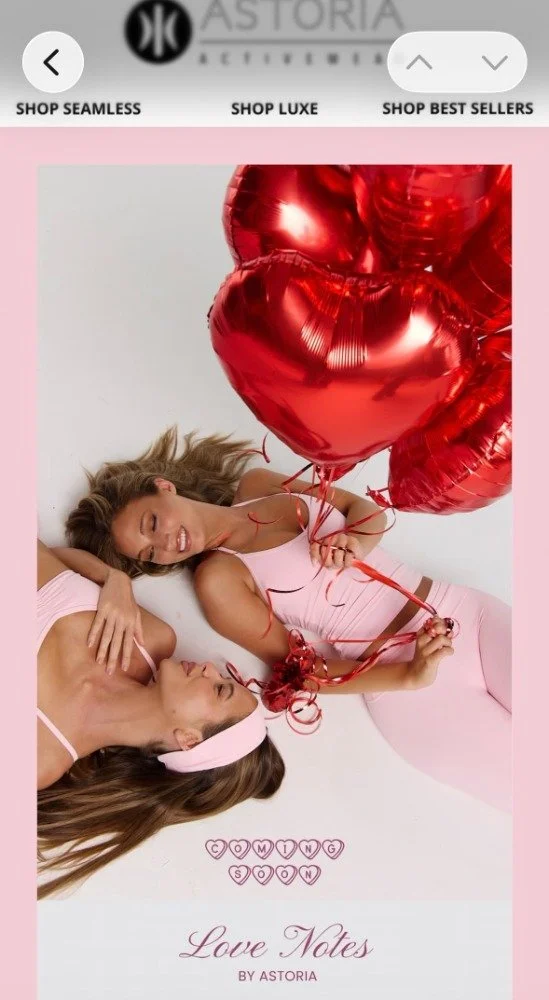

It’s about the 3rd week of January and my inbox is already starting to fill with emails advertising for cute athleisure in all shades of Valentines colorways (aka pinks, reds and purples), of which I’m a pretty much a sucker for. For me, athleisure is what I prefer to wear, in the gym, at home and even out and about if I add some elements to make it not look like I’m taking a studio class right then and there (excluding special events, occasions and fancier dinners). What I like about athleisure is that I feel much more comfortable in it than any other style of clothing. I like that I don’t feel restricted and even form fitting clothes don’t feel restrictive when you raise your arms or move around in general. All of this just got me started thinking about both appropriateness and motivation.
For me, when I do any sort of activity, I have to be comfortable to be all in (doesn’t matter how I look per se, but the mechanics of doing the exercise), whether it is spin class or yoga. For instance, I had made the mistake of wearing a regular bra to spin class and yoga class and the whole time some of my focus went towards adjusting the straps to where they should be. One day I wore a super loose and flowy shirt to yoga and while in down dog, the shirt drifted down and I couldn’t see the back wall or whether my legs were lined up correctly going into a lift and then a 3-legged down dog. This is the same shirt that I love for lifting (as long as I’m not laying down on a bench) and I sometimes wear to spin, because it’s loose and flowy and allows air to cool me (and because I don’t yet feel comfortable to just wear a bra top with no shirt on in front of other gym goers). The clothes you pick to wear for each activity does matter (but your mileage may vary) to some degree.
Which brought me to my next thought, is that since I like athleisure, and I am at the gym a good 5 days of the week and I need the clothes to “perform” in a way so that I can perform, it is kind of motivating in that I want to feel that I look good in the clothes as much as they feel good on me! It is kind of like an extrinsic type of motivation to reward yourself with clothes that make you feel good and comfortable to champion you on to do the activities that you enjoy. So in other words it’s a great way to use extrinsic rewards to help foster intrinsic motivation.
So, if buying that cute gym outfit helps you feel good doing your activity, I say go for it!
Should exercise guidelines be updated?
I read a pretty interesting article in the National Geographic on “Why women may get more from exercise than men”.
Exercise guidelines by the American Heart Association states that people should get 150 minutes of moderate-intensity exercise (or 75 minutes of vigorous exercise) per week. A study conducted by the Journal of American College of Cardiology of over 400,000 adults in 2024 revealed that regular physical activity was associated with 24% lower risk of mortality in women and 15% in men (150 minutes exercise equated to 22% lower risk of coronary heart disease for women and 17% for men).
Women reached the mortality benefit at 140 minutes of exercise and men at 300 minutes of moderate to vigorous exercise per week (for both aerobic and resistance exercise). When exercise increased to 250 minutes for women, risk dropped to 30% and 530 minutes for men. Most likely the difference could be due to estrogen, which can increase the effects of exercise in the blood vessels to the heart by improving blood flow through encouraging growth of new blood vessels.
The key take-away from this article for me is that, if you can work your way up to it physically and fit it into your schedule, there is a lot of benefit for you to do more than just the recommended 150 minutes per week of moderate (75 minutes of vigorous) exercise per week. 150 minutes is great! But 250 minutes for us women is probably not too hard to obtain for a bunch of us and we can get even greater benefits from more exercise!!
NEW YEAR, NEW YOU!
January 2026
Happy New Year!!! You know that cliché “New Year, new you”. I feel like every year many of us decide this. Almost every year when I was much younger, the “New Year, new you” was almost inevitably “this is the year that I will lose weight!! AND keep it off for good!!” I had always started strong, but then by March, something happens and I lose that momentum. Then I would restart around my birthday (after I’ve eaten cake) and my birthday wish was almost always “I wish to finally lose the weight”. I would start again pretty strong and then by Christmas (or even by December) I would lose that momentum again! I would start over and over again (if I hadn’t given up for a year or so altogether).
I did finally break this dieting cycle when I started in 2020, but I hadn’t known it at the time. This was a rough time for me. I realized that I needed a divorce. Things were not right. I was at the highest weight (I definitely stopped weighing myself at 168 pounds – which is a lot on a 5 foot tall frame, but I knew I must have gained more, because my clothes still got tighter and I had to “suck it in” to fit the size 14’s and Larges). Covid lockdowns also began. There was no gym opened (not that I had a membership anyway). I was miserable overall.
My child though did still have Phys Ed class even though school was virtual. There was some attempt through the education system to teach about the new MyPlate and the kids were asked to do exercise videos from YouTube. I kind of thought that ‘at least they tried a little’, because growing up, I did not remember much of nutrition taught at school. Phys Ed was sporty games that suited only some individuals. Health class for a marking period didn’t cover nutrition. I didn’t grow up in a household where nutrition and exercise were prioritized either. I really just didn’t know how things were supposed to be, but the only thing that was apparent was that I had more fat percentage than most of the other kids. I didn’t eat much, especially in front of others to the point that another kid asked how I got so fat since I didn’t seem to eat much. I do remember entering college and trying out the gym. I loved this one leg press machine and focused on it. But when I got married, the gym membership was dropped. I gained more weight. Then when I decided I wanted to have a child, I had troubles conceiving and the doctor suggested for me to try the South Beach Diet. It did work, I lost about 12 pounds and I got pregnant. That was when I was diagnosed with gestational diabetes, early in the pregnancy. I was told it was a warning sign I might get diabetes later in life but that it usually went away after you gave birth. I had to take an insulin shot in the leg every night during pregnancy. Some time after I gave birth, I was told I have elevated or pre-diabetes. It was the same level as what it was when I was pregnant. The diabetes just never left like how they said it would.
Fast forward to 2018. I went to a normal doctor’s appointment and was told my blood pressure was 198/98. My doctor wanted me to go to the emergency room. I bargained with him and he sent medication to my pharmacy for me to pick up and take right away and then another in the morning to help with the blood pressure. I also asked him what I can do to make this better. He told me that I needed to move and that I needed to eat a healthier diet and lose some weight. I asked him to be more specific. He told me start off small. Walk for a little. Increase the walking time as much as I can. I asked about diet. He told me he thinks I should eat meat and vegetables primarily and then add on small amounts of other things. Honestly, I didn’t know how to cook and how much and of what.
2020 me still did not know how to cook, but started to use a calorie tracker app, started walking and hiking on nicer days and followed 20 minute – 30 minute exercise videos on YouTube with my kid. I was losing some weight. Then when I separated, I moved in with my parents and they are retired and enjoyed hiking most days. I went on a lot of hikes and I lost a lot of weight. I lost about 50 pounds in total. I hadn’t changed my diet so much, but just ate smaller portions. I was able to wean myself off the blood pressure medication though because my blood pressure was now more normal. I did still have prediabetes though.
2023 me had joined a costly fitness coaching program. They are all costly because it’s a semi personalized experience. Booking a nutritionist and a trainer separately would have been even much more costly. I was down to a size 4 to 6, but I didn’t feel healthy or fit. The real missing piece was nutrition. I did not know how to cook, so I ate pre-packaged foods and takeouts primarily. With this group is where I learned what nutrition truly meant. It did not mean just reading the labels on the back of the box. Nutrition meant eating whole foods. They had lists of foods for you to pick from that were considered whole. They wanted you to meal prep and every day in a week you would eat the same meals and it would switch weekly. These were not foods I grew up eating regularly, but ones I would try and learn to like or love or at least try and say I didn’t love them.
In December 2024 I experienced a very unexpected death of a family member. I didn’t cope well and drank more than I should and could not get to the gym, could not do exercise even from home and no longer even attempted to meal prep what-so-ever. I just was not present. I did try to eat what I thought was maintenance at first. Then by April 2025, my then company moved me to an office space 50 miles away and I gained “a bad commute”. By May, I decided I needed to move. I moved in July to an apartment with a similar commute as I had previously. I sold my old house by September (I had gained back some of the weight I lost from not tracking, and not exercising at all from December 2024 – September 2025). In September, during lunch I started going back to my old gym (a gym where you can go to any location) and walking up and down the stairs to my job on the 10th floor (I could feel that just doing this was helping because my pants were feeling a little looser). In early October, I joined a new gym in my new area. It was a flat monthly fee and you could take as many classes as you’d like (I discovered that I love spin, yoga and Pilates). At the same time, I decided to remember all of the nutrition advice that I had learned and I weaned off takeouts and wanted to learn to make just simple foods. (I still have things to learn) Later in October, this last company laid me off. I spent a lot of new found time going to yoga, spin and Pilates classes once a day, sometimes twice a day, sometimes I took a day off. When I went to my new doctor for bloodwork in November, I discovered that after decades, my A1C was down to normal and that I was no longer pre-diabetic! So in other words, I really needed much more daily exercise and much better nutrition to get to healthy levels. I just never knew what it really took and now I know. I learned a lot of lessons in 2025: alcohol is a bad coping mechanism and is a lot of empty calories and not making time to do any exercise and sliding back into eating all takeouts means you are going to start gaining the weight back. Fitness is a lifelong journey and if you go off course, it is up to you to find a path back and no fitness coach or nutritionist is there to make you accountable. You are accountable for you. You have to love yourself enough to spend the time to care about your body, because no one else will.
So here in early 2026, the timing is right to say “New Year, new you”! The new me wants to educate and help others, because chances are if I never “got it” before, then maybe others also don’t know. It took a lot of trial and error and I researched a lot too. I want to know the mechanics of how it all works, so I am going to take certified fitness training and nutrition mastery courses in addition to my previous independent searches on these topics plus my own trial and error on myself. I had always felt that the people who need it the most are probably the least able to afford a personal nutritionist and trainer, so my passion project is to figure out a way to educate more people about fitness and to make it more affordable to most.